
The Story
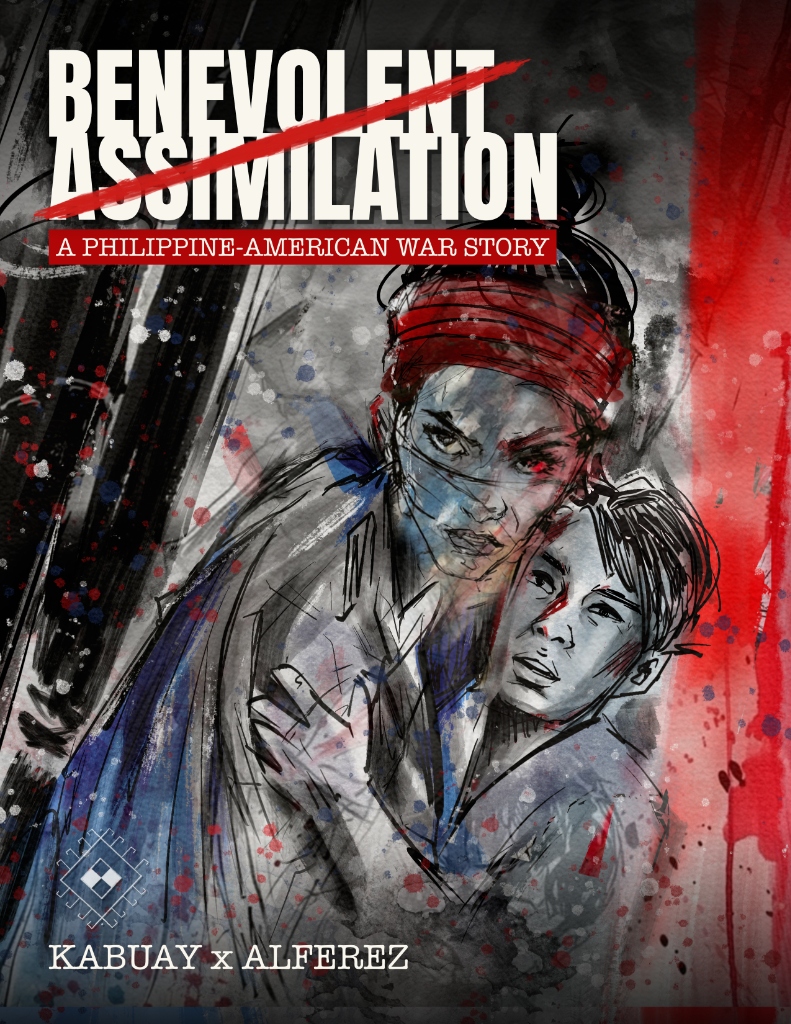
A survival story set against a forgotten war.
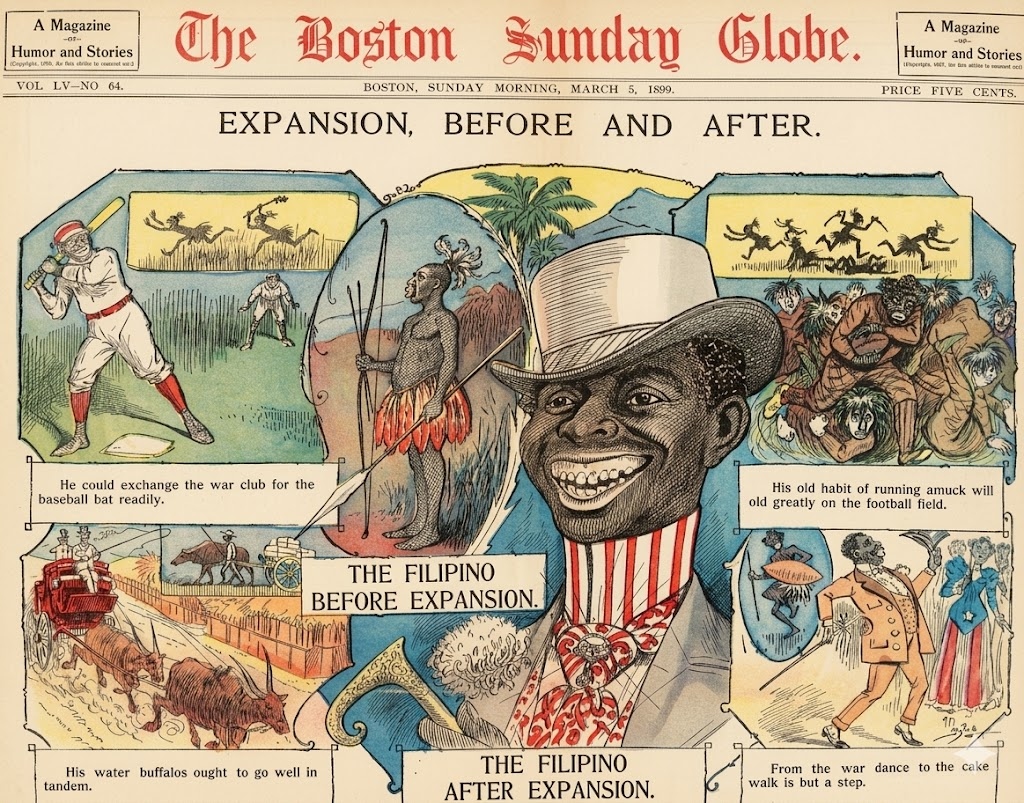
Following the 1898 Treaty of Paris, President William McKinley promised the Philippines a policy of benevolent assimilation, insisting the United States arrived as liberators. By 1901, the Philippine-American War had made the truth of that promise visible.
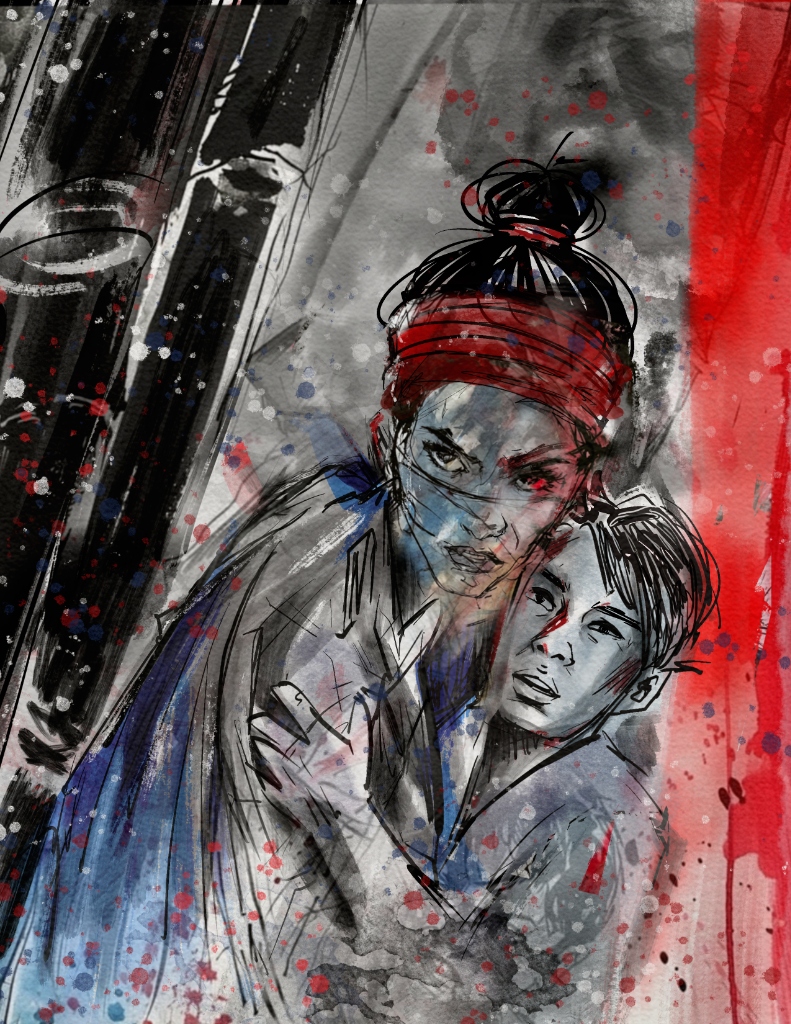
Deep in the mountainous interior of Samar, Maria lives alone. She was once a revered tattooist — her hands trusted to mark the bodies of her community with protection and identity. Three years ago a man named Miguel died from an infection caused by one of her tattoos. She has not practiced since. She carries her tools anyway, wrapped and unused. Among them, one she broke with her own hands: snapped deliberately, its fractured end sharp, carried because she could not throw it away.
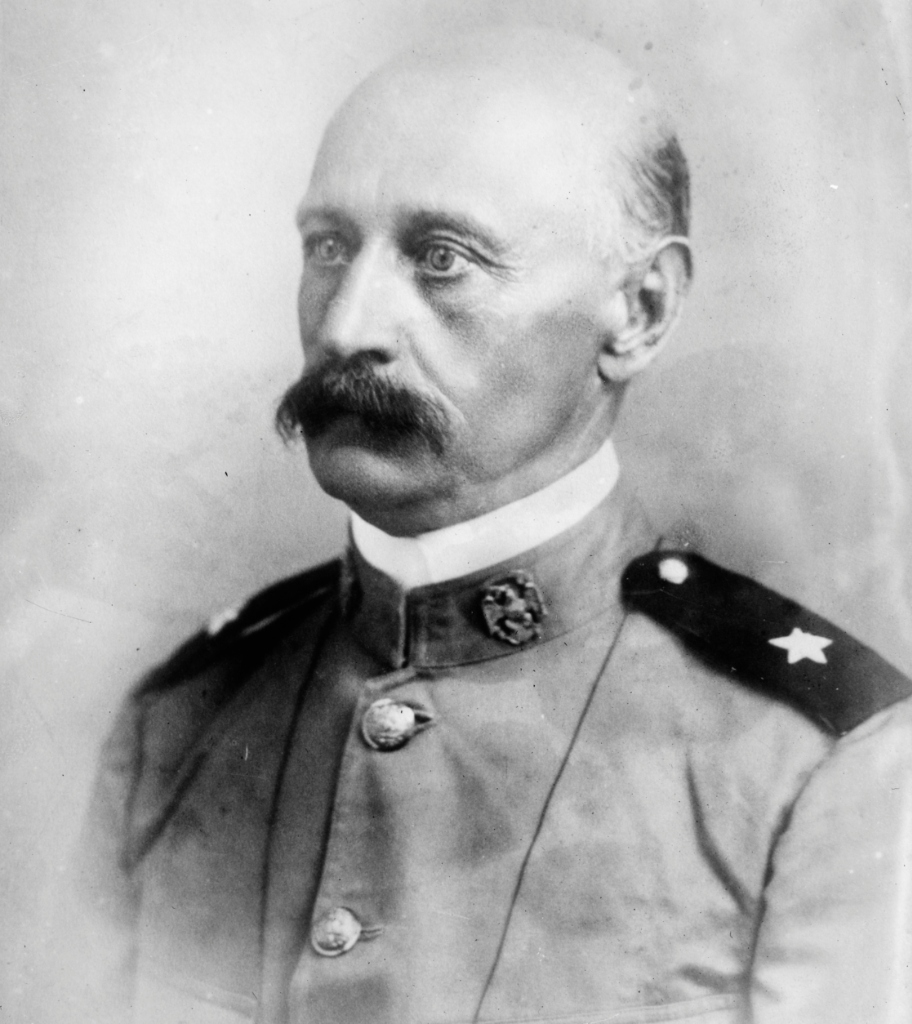
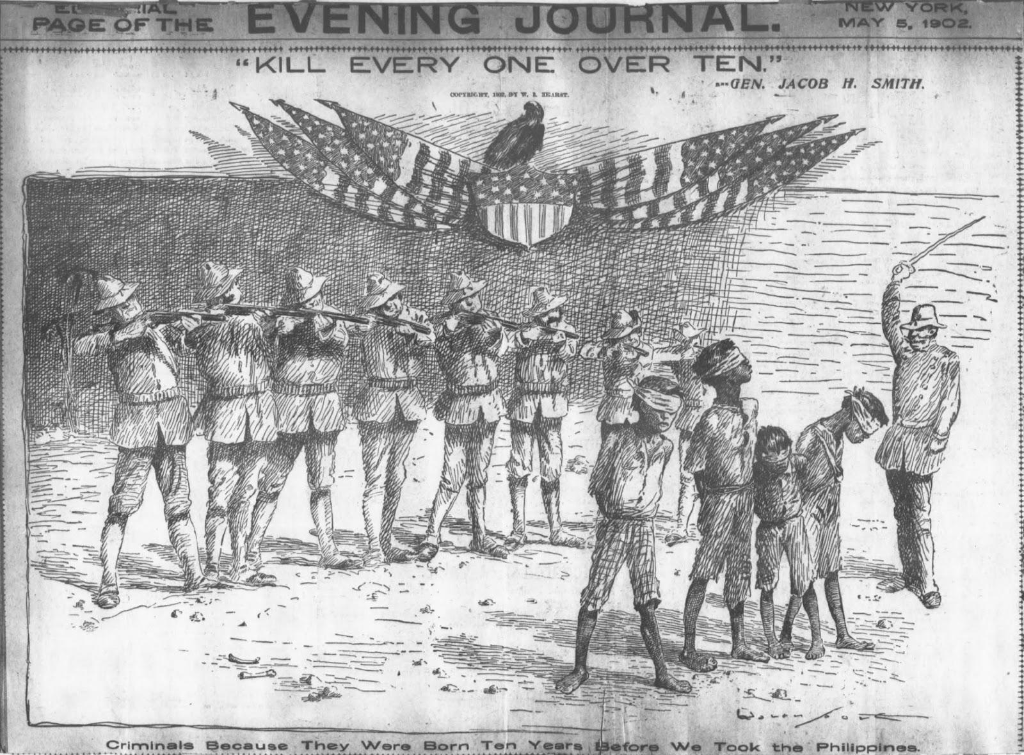
When General Jacob H. Smith orders his men to turn the island into a howling wilderness — kill everyone capable of bearing arms, age threshold ten — Maria finds Mateo fleeing the destruction of his village. He is eleven years old. He has been carrying her name, without a face to attach to it, for as long as he has been old enough to understand what it means.
"The deeper story is this: the boy is the son of the man the tattooist accidentally killed. He has known who she is since the moment he saw her tools. She will not know who he is until it is almost too late to matter."
Together they move through a landscape the American military is systematically destroying. A Filipino villager betrays their location for a quarter tossed without acknowledgment. A Black soldier in a blue uniform sees them in the undergrowth and lowers his rifle without a word.
When the truth surfaces — when Mateo speaks his father's name — Maria goes to her knees. Go ahead. She means it. What follows is the most desperate act in the story: a woman so certain she deserves consequence that she tries to use a grieving child's hand as the instrument of her own punishment.
He will not. She will complete it herself. On her own terms. With her own hands.
It ends with a mark left unfinished on the throat of the man who ordered the burning. It ends with a boy waking up alone in the morning light, wearing a blue shirt in a red-washed landscape.